
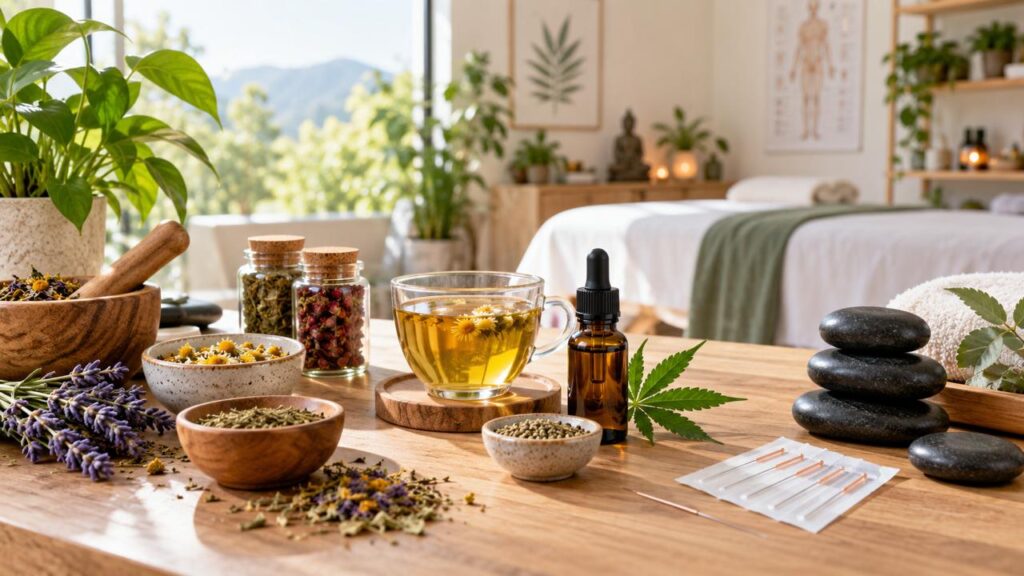
In recent years, more people have turned toward alternative therapies as a complement—or in some cases an alternative—to conventional medical treatment. Whether driven by a desire for fewer side effects, a preference for natural ingredients, or simply curiosity about ancient healing traditions, alternative therapies have carved out a significant place in modern wellness culture.
What Are Alternative Therapies?
Alternative therapies refer to a broad range of practices and treatments that fall outside the scope of conventional Western medicine. These can include herbal medicine, acupuncture, homeopathy, aromatherapy, naturopathy, energy healing, and various mind-body practices like yoga and meditation. Many of these approaches have roots stretching back thousands of years, drawing from traditions such as Ayurveda, Traditional Chinese Medicine, and indigenous healing systems from around the world.
Unlike pharmaceutical interventions that often target specific symptoms, alternative therapies typically emphasize a holistic approach—treating the body, mind, and spirit as an interconnected system rather than isolated parts.
Why People Turn to Alternative Therapies
There are several reasons individuals explore these options:
Chronic Condition Management: Many people with chronic pain, digestive issues, or stress-related conditions seek alternative therapies when conventional treatments haven’t fully resolved their symptoms.
Preventive Wellness: Rather than waiting for illness, some people incorporate alternative practices into their daily routines to maintain balance and prevent future health issues.
Fewer Side Effects: Natural remedies and therapies are often perceived as gentler on the body compared to synthetic pharmaceuticals, though this isn’t universally true and should always be evaluated case by case.
Cultural and Personal Beliefs: For many, alternative therapies align with personal philosophies about health, nature, and the body’s innate ability to heal itself.
Popular Types of Alternative Therapies
Herbal Medicine: Using plant-based remedies to address various health concerns, from immune support to digestive health. Brands like Mediflora have gained recognition in this space, offering herbal formulations designed to support natural wellness routines using traditional botanical ingredients.
Acupuncture: This Traditional Chinese Medicine practice involves inserting thin needles into specific points on the body to stimulate energy flow and promote healing.
Aromatherapy: The use of essential oils to promote physical and psychological well-being, often used for relaxation, stress relief, and sleep support.
Naturopathy: A system that combines various natural treatments, including nutrition, herbal medicine, and lifestyle counseling, to support the body’s self-healing capabilities.
Mind-Body Practices: Yoga, meditation, tai chi, and breathwork fall into this category, focusing on the connection between mental and physical health.
The Growing Market for Natural Wellness Brands
As consumer interest in alternative therapies grows, so does the market for brands specializing in natural health products. Companies like Mediflora have positioned themselves within this expanding industry, catering to consumers who want accessible, quality-focused herbal and natural wellness solutions. This reflects a broader shift in how people approach their health—seeking options that feel personalized, natural, and rooted in long-standing traditions rather than purely synthetic solutions.
Important Considerations
While alternative therapies offer many potential benefits, it’s important to approach them thoughtfully:
- Consult healthcare providers: Before starting any new therapy, especially if you have existing health conditions or take medications, consult with a qualified healthcare professional to avoid interactions or complications.
- Research the evidence: Not all alternative therapies have the same level of scientific backing. Some, like acupuncture, have substantial research support, while others remain less studied.
- Quality matters: When choosing herbal products or supplements, opt for reputable brands with transparent sourcing and manufacturing practices.
- Complementary, not exclusive: Many practitioners recommend using alternative therapies alongside conventional medicine rather than as complete replacements, particularly for serious health conditions.
Conclusion
Alternative therapies represent a diverse and growing field within the broader wellness industry, offering people additional pathways to manage their health and well-being. From ancient practices like acupuncture to modern herbal brands like Mediflora, the options available today reflect humanity’s long-standing relationship with natural healing methods. As with any health decision, informed choices—guided by research and professional consultation—remain the best approach to incorporating alternative therapies into a balanced wellness routine.
You can also read about: Medicinal Cannabis – Understanding Its Uses, Benefits, and Potential